Wonder Dogs Student Resources
Click on your class
Enter the password
Start training!
We hope you find these handouts, videos, visual aids and weekly lessons helpful. If you would like concentrated focus on a specific topic, we can fast-track goals with our private lessons and tutoring program. We believe every dog can be a Wonder Dog!
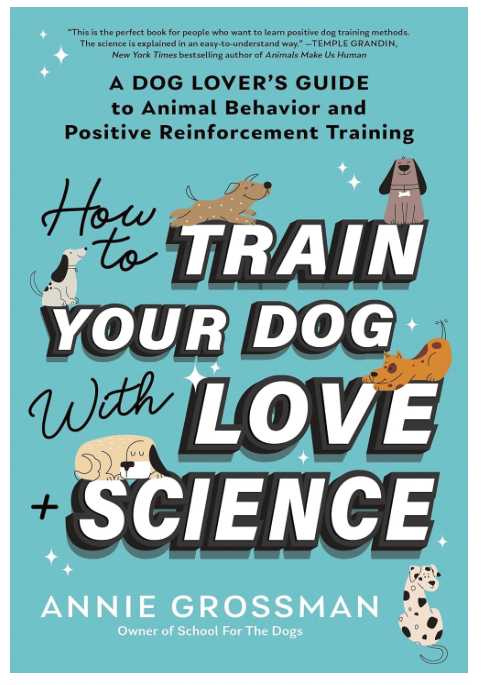
Our Favorite Training Books
“Took our beloved new shelter dog to class at WD. I knew a lot about dogs before, but learned so much more from Lisa and crew, and there is so much more to learn from these gals. We, Marvel and family look forward to future classes. Added bonus - treats, toys, harnesses are great quality and at or below market price. Thank you Wonder dog team!”
Recorded Lectures from Wonder Dogs Instructors for a Deeper Dive!
You’ve taught sit, down and stay, but these are actions, not emotions. Sometimes a dog’s emotions can cause actions we don’t approve of, like jumping, hiding, barking, or lunging.
How do we change a dog’s emotions in order to improve their actions? Can we help them feel less fearful, overexcited, or reactive? Can we create confidence or relaxation?
Bring a dog bed and a chew toy to let your dog relax while we discuss how to improve dog behavior using behavior modification techniques like classical counter conditioning and desensitization.
Holey moley does your dog get excited!!
Do you find that no matter how much you practice stay and obedience that your dog is STILL overexcited?
STILL launching out the door and unfocused when you release him?
Does your dog get so excited that food rewards lose their power?
Does your dog jump and bark and become unmanageable when he’s excited?
Come to this lecture to help learn how to reduce overexcitement when visitors arrive, during play sessions, and before/during/after walks.
A wagging tail does not always mean a happy dog.
A barking and lunging dog is not always unfriendly.
Is that dog play healthy? How can we tell?
Attend this lecture to learn the subtleties of dog body language and how to read play scenarios and greeting interactions more accurately.
Using pictures and videos, we’ll discuss and pick apart what we see to help you learn how to read your own dog’s body language, giving you insight and understanding to dog-dog social interactions.
This lecture will go over the main strategies for reducing and modifying obnoxious or unpleasant dog behaviors.
We’ll give you clear and easy protocols in recipe-style to help you understand how to address just about any “naughty” behavior your dog does around the house.
At the end of the lecture, each student will be allowed Q & A for their particular situation.
Recommended prerequisite: Advanced Body Language: Greeting & Play Behavior
Now that we know how to read greeting and play interactions, we are able to tell when human mediation is required. But how exactly do we do that?
We’ll be discussing interruption and redirection strategies to improve a dog’s ability to respond appropriately to other dogs’ social cues and body language. This improves overall social skills and takes the stress out of dog-to-dog social interactions!
Is your dog practicing greeting or play behavior that is coarse, over-the-top, or sometimes received poorly? Is your dog hesitant, fearful, or shy during interactions with new dogs? Come to this class to learn how to help him!
Q & A session with Wonder Dogs owner and behavior specialist, Jenn Michaelis.
Let’s talk about your dog, your neighbor’s dog, or something you read in a book…ask away!
Jenn will share tips and tricks related to your situation, as well as shed light on how to approach novel training situations or challenges that may arise with a dog of any age!
In this session we discuss:
Improving down-stay by adding duration
Demand and attention-seeking barking
Choice protocols for desensitizing a harness
Territorial barking
Calmer people greetings without mouthing/puppy biting
You really can improve your dog’s comfort with being left alone!
In this lecture, we’ll be discussing strategies for preventing and addressing separation distress and anxiety, including management and medication choices, impulse control exercises, and ways to improve your dog’s independence. These will come together to prep your dog for successful desensitization protocols regarding departures.
Use our easy-to-follow recipe for reducing your dog’s separation anxiety!